
Exploring the impact of luck versus skill in gambling outcomes
Understanding Luck in Gambling
Luck is often the first factor that comes to mind when considering outcomes in gambling. It implies randomness, where the results are determined by chance rather than by any human effort online casino neosurf australia or skill. Games such as roulette and slots predominantly rely on luck. Here, players engage with the idea that winning or losing can happen due to factors entirely outside their control.
The perception of luck in gambling leads to various emotional responses, including excitement and frustration. Many gamblers believe that luck is a finite resource; that is, if they have had a long losing streak, they are ‘due’ for a win. This belief can significantly affect their playing behavior and decision-making processes. Understanding luck not only concerns statistical probabilities but also the psychological aspects that come into play when individuals gamble.

Many gamblers tend to remember successful outcomes more vividly than losses, which reinforces the belief in luck as a powerful force in their gambling experience. This cognitive bias can make it difficult for individuals to acknowledge the actual odds and probabilities associated with various games. The romanticized notion of luck can lead players to chase losses, convinced that the next spin or hand will bring them the fortune they seek.
Skill-Based Gambling: The Role of Strategy
In contrast to luck, skill involves the knowledge, experience, and strategies that a player employs to influence the outcome of a game. Card games such as poker and blackjack are prime examples where skill plays a crucial role. Players can use mathematical concepts, psychological insights, and learned strategies to improve their chances of winning.
The significance of skill lies in its capacity to create a more engaging and strategic gambling experience. By mastering techniques, players can minimize losses and maximize gains over time, showcasing a clear distinction between those who merely rely on fortune versus those actively honing their skills to enhance their gameplay. Furthermore, developing such skills often requires dedication and time, leading to a deeper understanding of not just the games themselves but also the psychology behind fellow players.
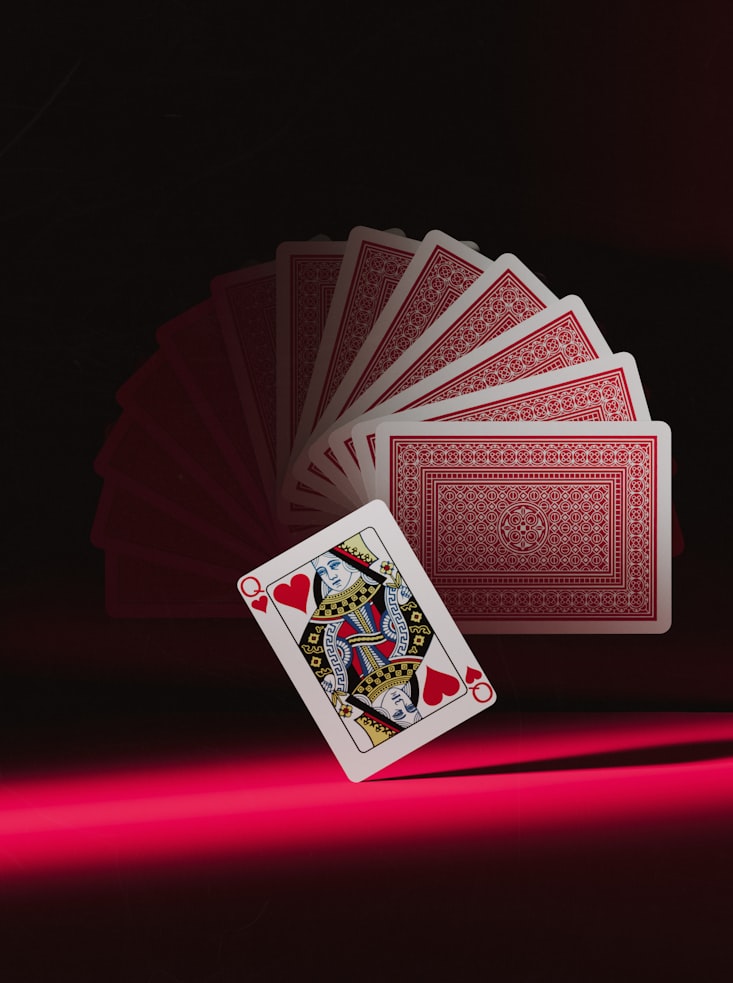
An experienced player might carefully observe their opponents for tells or patterns, an approach that can significantly bolster chances in skill-based games. The interplay of psychological manipulation and mathematical application reveals that skill is an ongoing journey that players commit to, continually striving for improvement.
The Balance Between Luck and Skill
The intersection of luck and skill creates a complex dynamic in the realm of gambling. While some games are entirely chance-based, others blend both elements. A poker game can epitomize this balance; while luck determines the cards dealt, a skilled player can outmaneuver opponents through strategic play. This integration highlights the varying degrees of each element depending on the game type and individual player capabilities.
Understanding this balance can significantly affect a gambler’s approach and mindset. A player who recognizes that luck can change at any moment may remain more composed, while one who leans heavily on skill may develop a false sense of security, leading to overconfidence and potential financial loss. This acknowledgment of balance is what can lead to healthier gambling habits, where one is aware of the risks and rewards involved in both luck and skill-oriented games.
Moreover, certain games require quick thinking and adaptability, showcasing how situational recognition—an aspect of skill—can also be essential in leveraging a player’s overall gaming success. The ongoing dialogue between luck and skill not only enhances the experience but also challenges individuals to think critically about their approaches to gambling.
The Psychology of Winning and Losing
The psychology surrounding gambling outcomes is influenced by both luck and skill. Winning generates feelings of validation and euphoria, while losing can lead to disappointment and regret. These emotional responses can sometimes skew a gambler’s judgment. A player who wins repeatedly might attribute their success solely to skill, while a string of losses can cause them to question their abilities or overemphasize the role of luck.
Psychological factors also play a significant role in reported gambling behaviors. Players might engage in superstitions, believing that some rituals or behaviors can steer luck in their favor. The impact of these perceptions illustrates how vital both elements are in shaping the overall gambling experience and the attitudes of players toward their potential outcomes. This interplay of psychology brings to light how gamblers navigate their emotional landscapes while also allowing them to rationalize their experiences.
The cyclical nature of wins and losses can create an intense emotional rollercoaster, where moments of triumph can feel exhilarating and devastating losses can lead to impulsive decisions. Recognizing these emotional triggers can be critical for individuals in managing their gambling habits and developing healthier approaches to both losing and winning.
Exploring Online Gambling Opportunities
As the landscape of gambling evolves, online platforms have become increasingly popular, offering various games ranging from slots to complex table games. This digital sphere allows players to engage in both luck-driven and skill-based activities, reshaping how individuals perceive and interact with gambling. Additionally, enhanced awareness of skills can lead to improved outcomes for those willing to learn and adapt.
For those seeking to explore their options, platforms that offer various payment methods, such as Neosurf, provide an accessible entry point into the world of online gambling. Players must weigh their understanding of luck versus skill carefully before engaging, ensuring they make informed decisions that align with their gaming preferences and financial goals. Additionally, the online gambling environment often provides useful resources for players, such as tutorials and strategy guides, aiding in the development of necessary skills and strategies.
Ultimately, responsible gambling practices must be emphasized in online environments, reminding players to stay aware of their limits and the inherent risks involved. This commitment to responsible gaming can help ensure that the interplay between luck and skill remains a source of entertainment rather than a pathway to potential harm.

関連記事

コメント
この記事へのトラックバックはありません。

























この記事へのコメントはありません。